
If you’ve ever found yourself scrolling through camper van forum conversions at midnight or daydreaming about disappearing into the hills for a long weekend, you’ve probably asked yourself the key question: Do I need something big and luxurious, or could a small camper van do the job?
Small vans are everywhere right now. They’re nimble, efficient, easier to park, and far more flexible than you might expect. But they also come with quirks, compromises, and the occasional moment of “where exactly does this thing go?”
If you’re weighing up whether a compact setup is right for your adventures, here’s everything you need to know, including the pros, the cons, and some design tips to help you get the most out of every inch.
The case for going small
Choosing a small camper van can open up a world of opportunities, especially for solo travellers, couples, or anyone who prefers a simple, stripped-back kind of road trip.
They’re easier to drive than you think
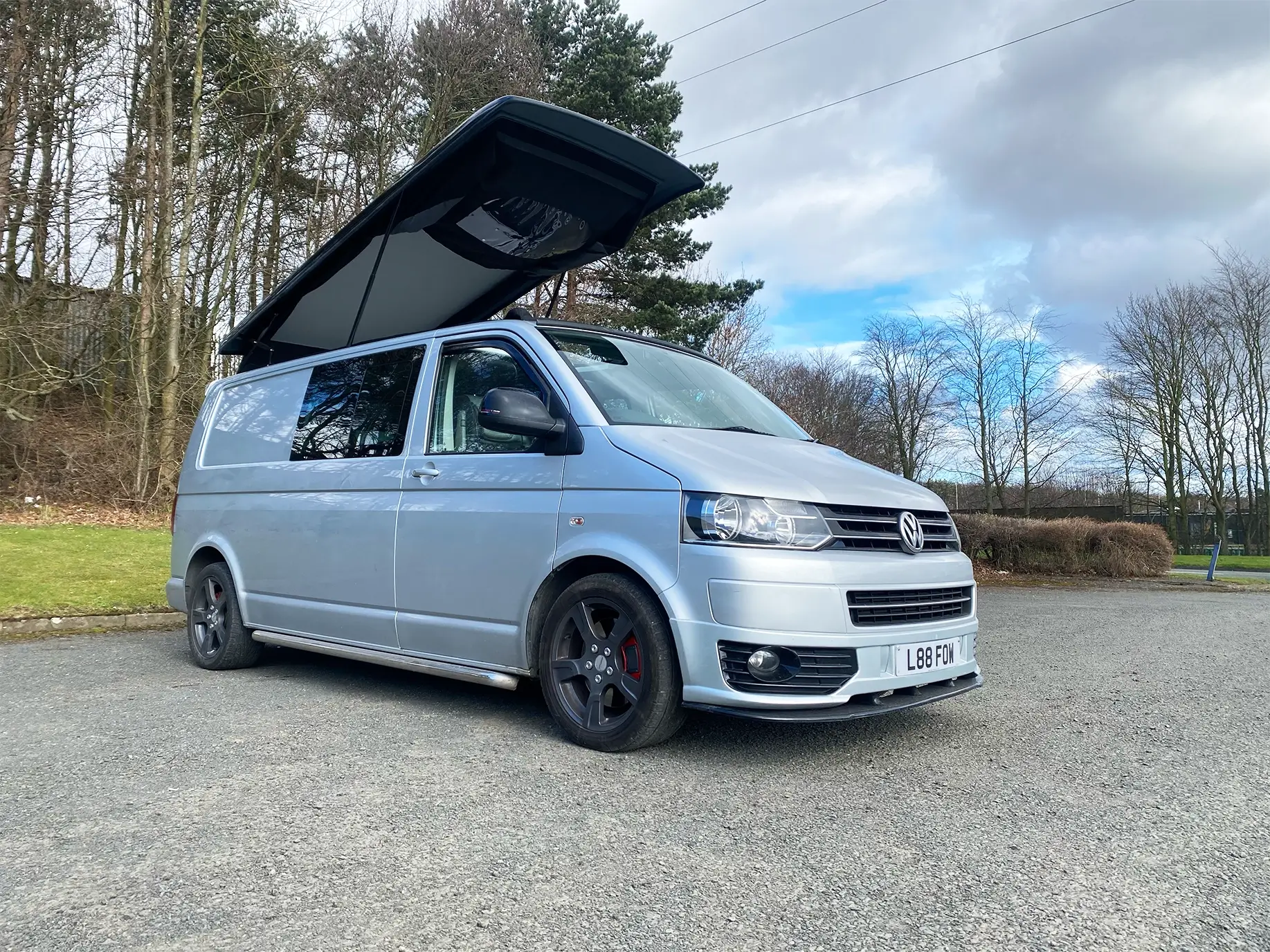
If the idea of piloting a long-wheelbase van makes your palms sweat, a smaller camper might feel far more approachable. Most compact models drive almost exactly like a car, which means tight corners, narrow country lanes, multi-storey car parks, and supermarket bays suddenly stop being boss battles.
You get the freedom of van travel without the “captain of a ship” feeling every time you turn the ignition.
Better fuel economy
A small camper van generally offers far better fuel efficiency, which is good for your budget and for the environment. And when you’re doing long stretches across the UK, small advantages rack up quickly. You’ll spend more time exploring, and less time calculating MPG in your head.
They’re ideal for spontaneous travel
One of the perks of compact campers is how easy they make shorter trips. Friday at 4pm? Weather looks decent? Fancy a night by the coast? Grab some snacks, throw your overnight bits in the van, and go. A small camper van makes van life accessible without huge amounts of planning. You can duck into quieter spots, take back roads, and explore places that larger vehicles simply can’t squeeze into.
Lower conversion costs
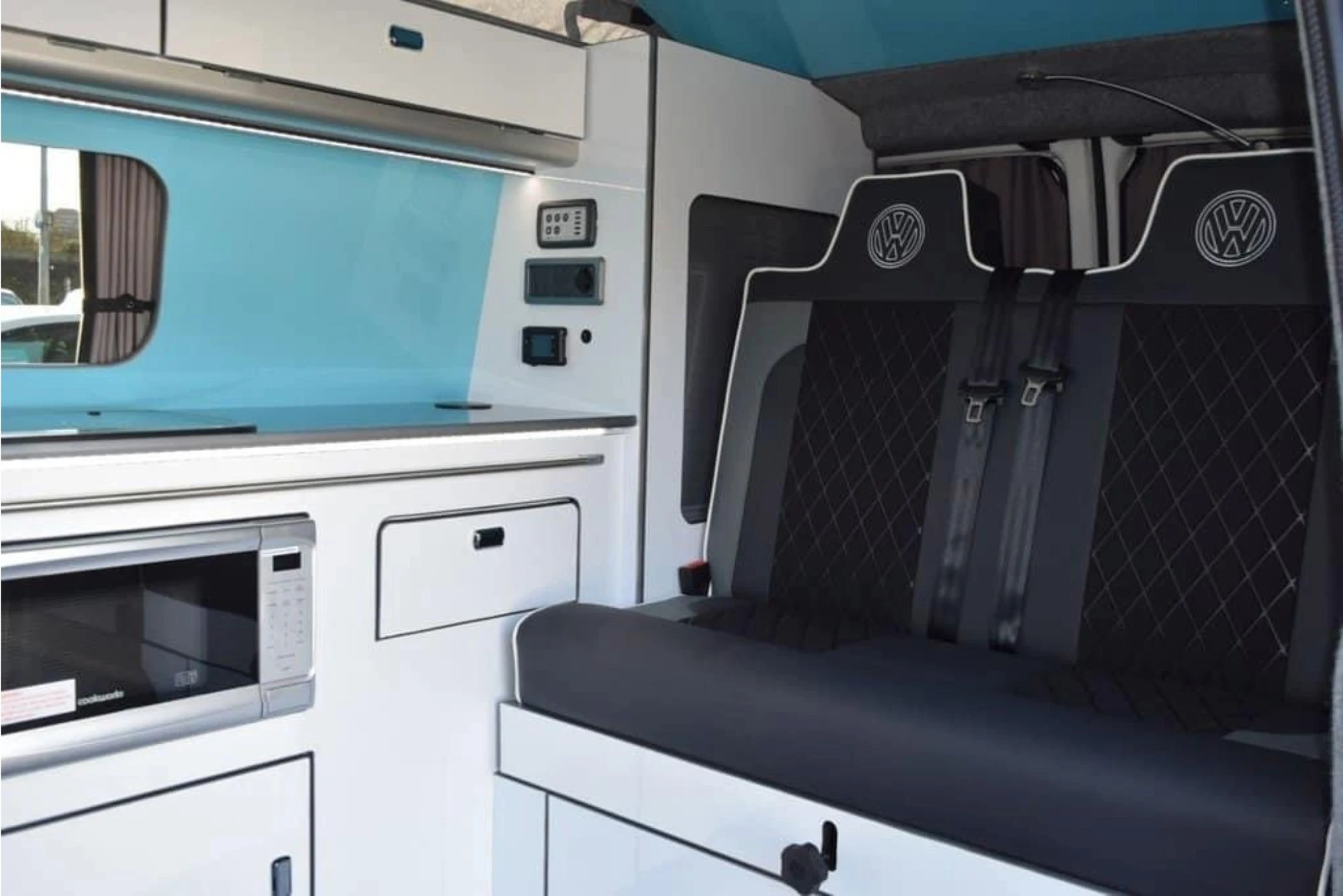
Because the space is tighter in a small camper van, you’re usually working with fewer cabinets, smaller bed platforms, and shorter runs of electrical wiring. That means your money stretches further, and you might have more room in your budget for custom touches, nicer finishes, or upgraded electrics.
But what about the downsides?
Small vans are brilliant, but they’re not perfect. Before taking the plunge, it’s worth being realistic about the things that might require compromise.
Space will always be limited
No matter how clever the design, you’re working with a smaller footprint. You’ll need to be deliberate about what you bring, how you store it, and whether you truly need everything you typically pack for a trip. The space is cosy, which can be lovely, unless you’re trying to get changed while someone else is making tea. Expect a bit of gentle choreography.
Not ideal for bigger families
For solo travellers or couples, they’re fantastic. For a family of four, things are inevitably going to get tight. Children can absolutely travel in small vans, but sleeping arrangements need to be carefully planned, and you may rely more on awnings or outdoor setups. If you regularly travel with kids, pets, or bulging adventure gear, a compact van might feel like an ongoing game of real-life Tetris.
Less room for luxury features
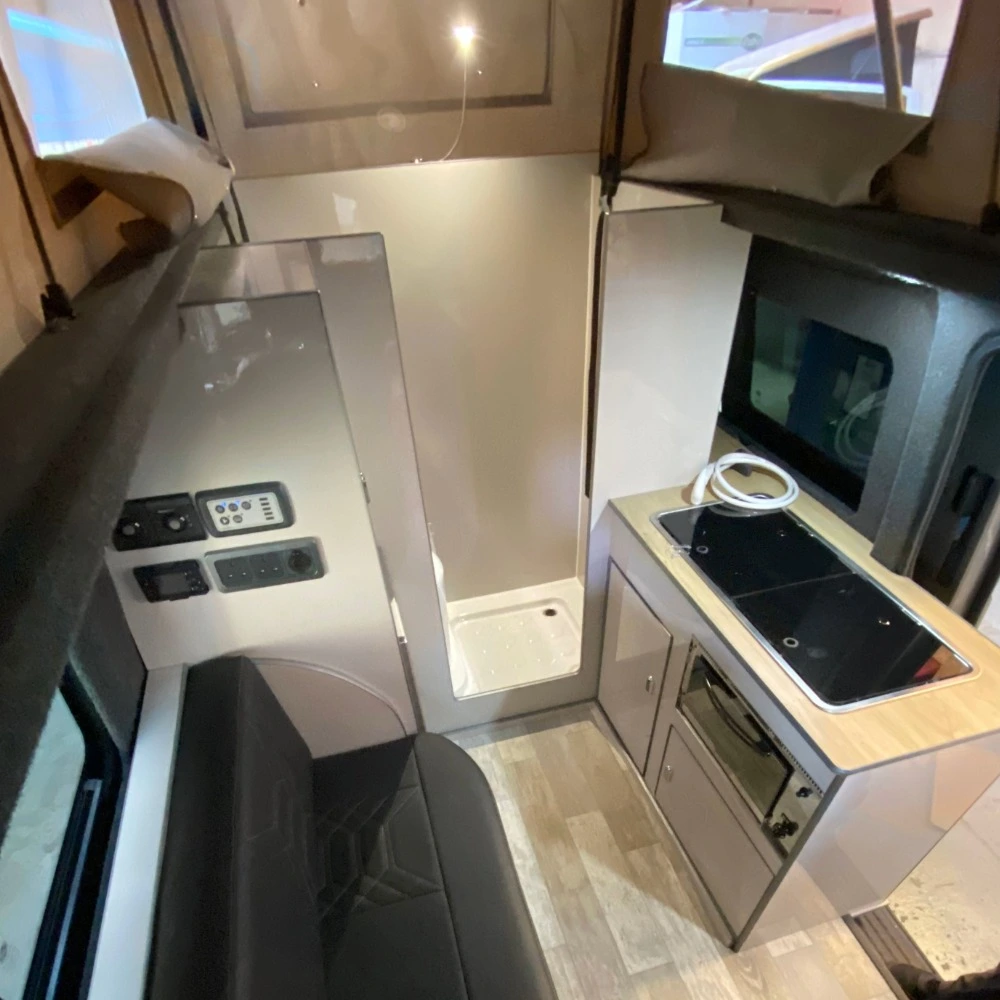
Want a full kitchenette, a wardrobe, a wet room, a dining space, and a fixed bed? In a small model, you’re probably going to have to choose two or three of those rather than all of them. The layout is perfectly workable, but it rewards practicality over indulgence. If you want a spa day, you’re still going to need to go to an actual spa.